
www.PapuaExpeditions.com
Homepage Copyright Contact us Sitemap

Papua birding walks

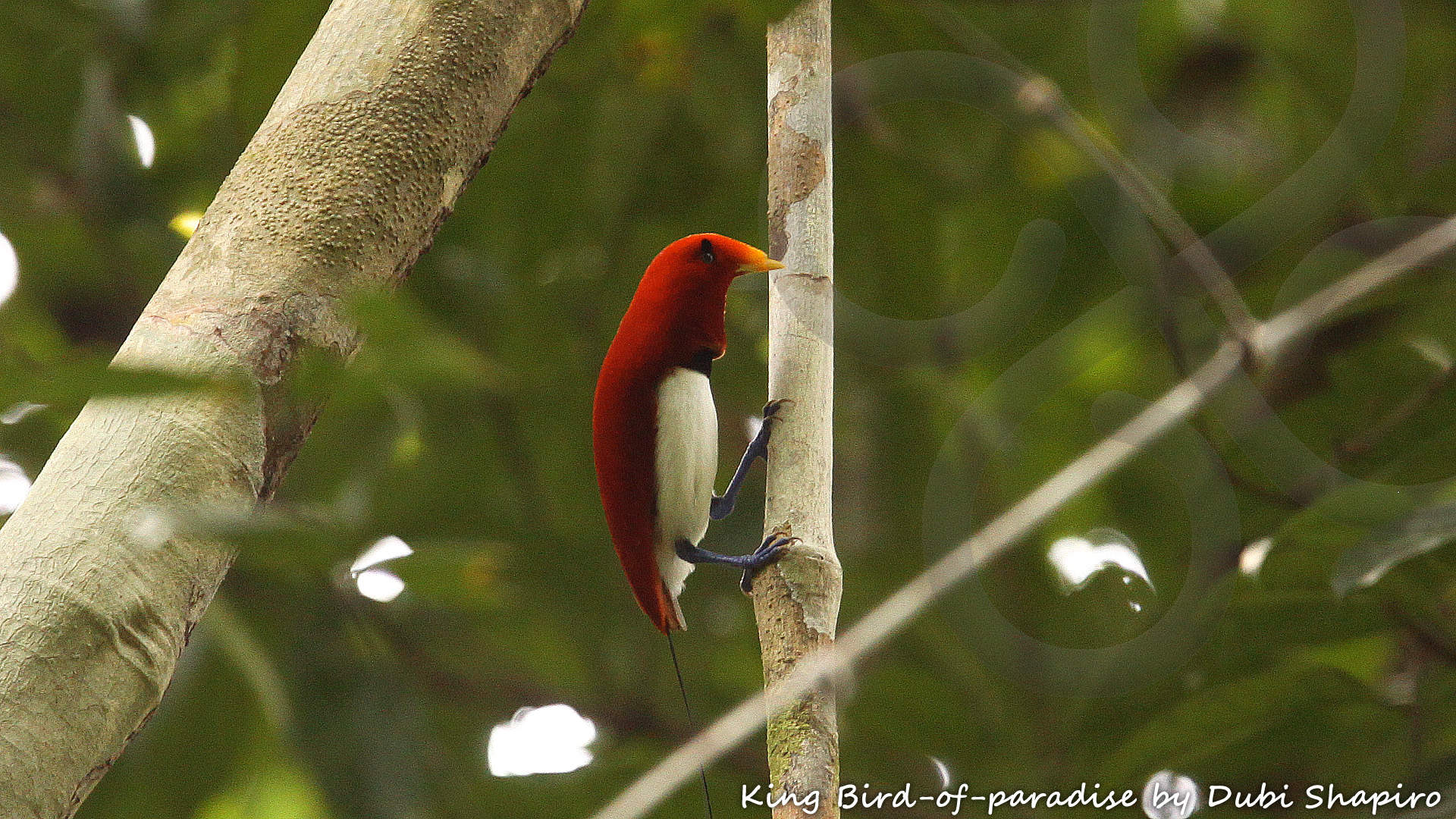
Our birding walks are half a day’s to day-long focused bird watching excursions, currently offered only in the vicinity of our home base Sorong. Our most accessible ‘local patch’ holds Northern Cassowary, Western Crowned-Pigeon, Crinkle-collared Manucode, and King and Lesser Bird of Paradise among a well diversified and colorful lowland forest avifauna. Great as a little extension to our ‘Waitanta endemics’ birding break, and otherwise well worth a look if you happen to pass through Sorong and have a spare morning or so.

Sacred Kingfisher Todiramphus sanctus is a seasonally common visitor to open habitats on New Guinea during the southern winter.

Taste of Sorong lowlands forest birds

This Papuan birding walk takes us to a large tract of primary forest near Sorong that supports a well diversified and colorful lowland forest avifauna including Northern Cassowary, Western Crowned-Pigeon, and three species of bird of paradise: Crinkle-collared Manucode, and King and Lesser Bird of Paradise.

Read more...

The strange Beach Thick-knee Esacus neglectus could well be the highlight of a birding excursion to the Rumba Boo Islets off Salawati Island in the Raja Ampat archipelago of eastern Indonesia.

Rumba Boo Islets
waders and more

The Rumba Boo Islets lie off the northeast coast of Salawati Island in the Raja Ampat archipelago, just half an hour's boat ride away from Sorong. These sandy atolls are an excellent place to get to grips with a variety of waders and wetland birds, besides sporting a number of so-called 'supertramps': wide-ranging colonists that thrive on species-poor small islands. Great as a relaxed half a day's out birding.

Read more...

The Lemon-bellied White-eye Zosterops chloris essentially is a Wallacean species that ranges marginally into the New Guinea region on the Schildpad Islands off northeastern Misool as well as tiny islets off northern Batanta, both of which localities are thus situated in the Raja Ampat archipelago.

Copyright © 2005-2008 Papua Expeditions/cv.Ekonexion • Best browsed with IE 7.0